
The Munster Family Belonging
A History of the Vampire in Popular CultureThis thread follows a supernatural family that treats its own difference as ordinary while revealing how social acceptance depends on humor and affection.
increasing Bearing strength in each event
 decreasing
Bearing strength in each eventdecreasingLily’s Domestic Role
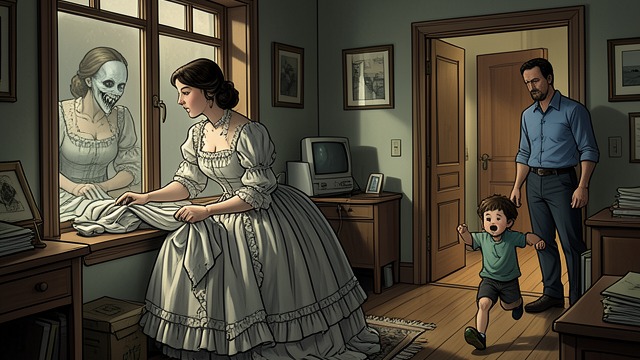
Lily’s Domestic Role
Working-Class Vampire
Lily Munster is presented as a wife and mother whose supernatural nature does not prevent ordinary domestic concerns. Her family identity matters more than her monstrous appearance.
Emotional Normality
She loves Herman Munster and manages family chaos. The show relocates vampirism from aristocratic isolation into suburban routine.
Grandpa’s History
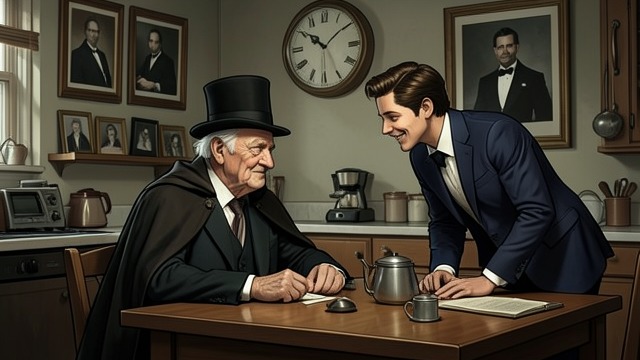
Grandpa’s History
Multiple Marriages
Grandpa Munster has lived through many marriages and maintains a comic relationship with his past. His age becomes a source of exaggeration rather than horror.
Myth Domesticized
The name Count Dracula is absorbed into family banter. The legendary vampire becomes an eccentric relative who still wants companionship.
Marilyn’s Difference
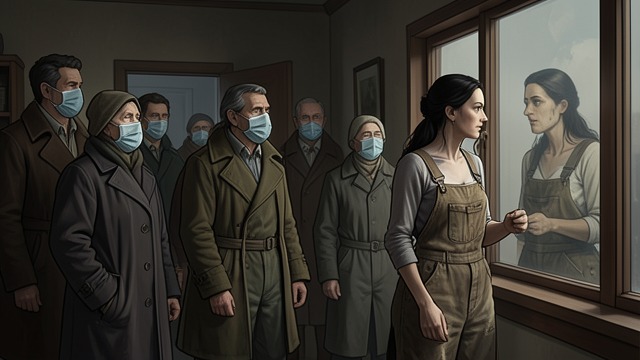
Marilyn’s Difference
Human Among Monsters
Marilyn Munster lacks paranormal traits and believes herself to be the family’s unattractive outsider. The perspective reverses the usual assumption that humans are normal and monsters are strange.
Affectionate Reversal
Her family accepts her without treating her humanity as a defect. Normality becomes a matter of belonging rather than biology.
Neighborhood Reactions
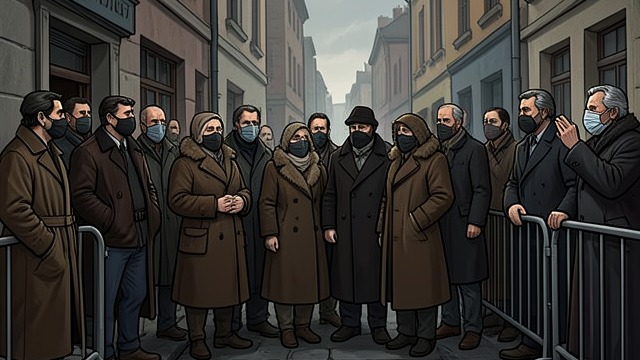
Neighborhood Reactions
Visible Difference
The Munsters look terrifying to their neighbors but understand themselves as ordinary. Their social problems arise from other people’s interpretations.
Tolerance and Prejudice
The community sometimes accepts them while retaining suspicion. Comedy softens the conflict without pretending that difference produces no social cost.
Normality Reclaimed
Normality Reclaimed
Family Over Fear
The Munsters remain kind, loving, and loyal despite their monstrous imagery. Their internal relationships provide a stronger definition of humanity than appearance does.
Comic Acceptance
The family’s success lies in making supernatural difference familiar. Humor becomes a method of survival and a challenge to prejudice.
1960s
the original television series
the 1960s family setting
the family’s suburban life
the series’ comic resolution
